The Refrigerator Pickles I Make When the Garden Starts Getting Aggressive
There comes a point every summer when the cucumbers stop feeling charming.
At first you’re excited about them. You slice a few into salads, maybe put some on sandwiches, tell yourself this is exactly why you planted a garden in the first place. Then suddenly it’s late July and there are fourteen cucumbers in the crisper drawer, six more on the counter, and at least three giant ones in the garden that somehow appeared overnight like a prank.
That’s usually when people start talking about canning.
Now, proper water-bath canning is useful and worth learning eventually if you want shelf-stable food for winter. But a lot of people hear “pickling” and immediately assume they need a pressure canner, twelve hours of free time, and the emotional stability to deal with sterilizing jars in August heat. You do not.
Refrigerator pickling is the version normal people can actually sustain on a Tuesday night after dinner. You cut vegetables up, pour hot brine over them, stick the jar in the fridge, and a day later you have pickles. They’re crisp, bright, salty, tangy, and honestly better than a lot of the expensive refrigerated pickles people buy at specialty grocery stores now.
And because they stay refrigerated the whole time, the process is dramatically simpler and lower-stress than traditional canning.
Why Refrigerator Pickling Is the Best Place to Start
One thing worth clarifying right away is that refrigerator pickles are not shelf-stable canned pickles. They have to stay refrigerated, and they’re meant to be eaten within a few weeks to a couple months depending on the vegetable.
That’s actually part of why they’re so approachable.
You aren’t trying to preserve food for a year in the pantry. You’re just extending the life of fresh vegetables and turning them into something delicious enough that people keep pulling the jar out of the fridge every time they open the door.
The vinegar and refrigeration together create an environment that’s hostile to most dangerous bacteria, which is why refrigerator pickling is considered very safe when you’re using clean jars, properly acidic vinegar, and keeping everything cold.
The main thing is to use vinegar that’s labeled 5% acidity, which is standard for most white vinegar and apple cider vinegar sold in stores. That acidity level matters for food safety, so this is not the moment for random homemade vinegar experiments from somebody’s homesteading Facebook group.
The Basic Refrigerator Pickle Brine
This is the formula I come back to constantly because it works for almost everything.
For one pint jar:
- 1 cup water
- 1 cup vinegar (white vinegar or apple cider vinegar, both at 5% acidity)
- 1 tablespoon kosher salt
- 1 tablespoon sugar
- 2–3 garlic cloves, lightly smashed
- 1–2 teaspoons pickling spice or whole spices
Put the brine ingredients in a small saucepan and bring them just to a simmer, stirring long enough for the salt and sugar to dissolve.
The vegetables go into the jar raw, and then you pour the hot brine over them.
That’s the whole process, which almost feels suspiciously easy the first time you do it.
One thing I will say, though, is don’t use table salt if you can avoid it. Kosher salt or pickling salt works better because table salt sometimes contains anti-caking agents that make the brine cloudy and can leave a slightly harsh flavor behind.
Also, let the brine cool just slightly before pouring it into very cold refrigerator jars unless you enjoy hearing glass make alarming little cracking sounds in your kitchen.
The Four Vegetables Most People Should Start With
There are dozens of vegetables you can pickle, but these are the ones I think give beginners the quickest success.
Cucumbers
This is the obvious one, but there’s a reason people keep making cucumber pickles every summer. They’re good.
If you can get actual pickling cucumbers, great. They stay crisper because they’re firmer and less watery than giant slicing cucumbers. But honestly, regular garden cucumbers still work fine for refrigerator pickles as long as they haven’t gotten weirdly oversized and full of seeds.
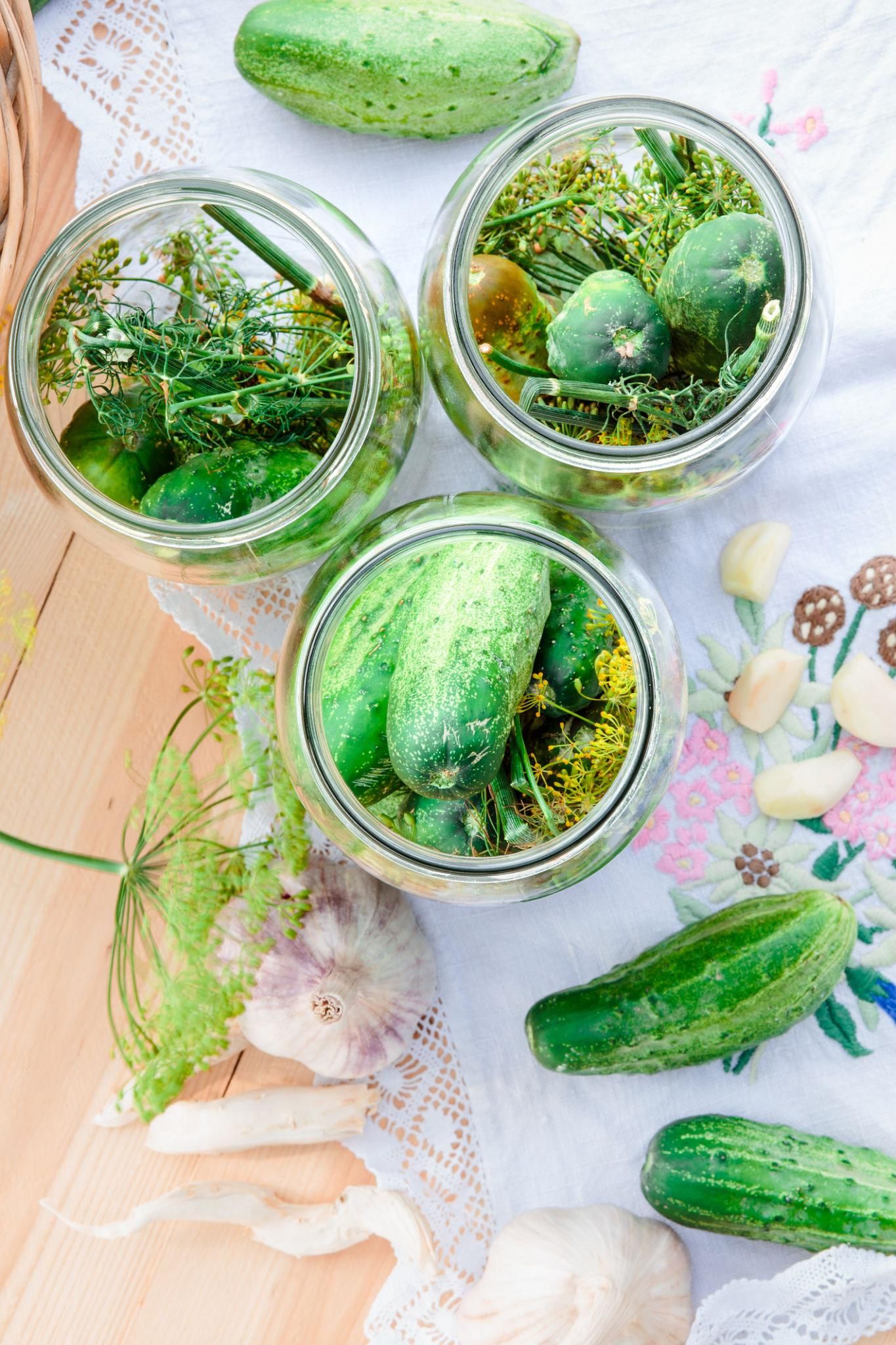
Pack the cucumbers into a jar with fresh dill and garlic, pour the brine over the top, and refrigerate.
They’re usually pretty good after 24 hours, but I think they’re noticeably better after about three days when the flavor settles in properly.
Carrots
Pickled carrots are deeply underrated.
Cut them into spears roughly the height of the jar so they stay easy to grab out of the fridge for snacks. They stay crisp for a long time and take really well to extra spices.
I like adding ginger, dill seed, or red pepper flakes depending on what else is going in the meal rotation that week.
They’re also one of the few vegetables that somehow manage to feel both healthy and vaguely like bar food at the same time.
Red Onions
Pickled red onions are one of those foods that make ordinary leftovers taste like you planned dinner on purpose.
Slice them thinly, pack them into a jar, and pour the hot brine over the top.
These pickle faster than almost anything else. They’re good within an hour and even better the next day.
And once you start making them regularly, you realize they improve an absurd number of meals:
- tacos
- sandwiches
- grain bowls
- burgers
- eggs
- salads
- roasted vegetables
- avocado toast
- random refrigerator meals you’re trying to rescue at 6 PM
Green Beans (Dilly Beans)
Dilly beans feel aggressively old-fashioned in the best possible way.
Trim the ends, pack the beans upright into jars, and add plenty of garlic, dill, peppercorns, and red pepper flakes.
They stay especially crisp if the beans are fresh when you pickle them, which is why they’re so good for garden overflow in midsummer.
How Long Refrigerator Pickles Take
Most refrigerator pickles taste decent after about 24 hours, but they usually taste better after 2–3 days once the vegetables absorb more flavor.
The texture changes over time too. Cucumbers soften slightly after the first week, while carrots and green beans stay crisp longer.
Generally speaking, refrigerator pickles are best eaten within about 1–2 months, although realistically most jars disappear long before then if there are teenagers in the house.
The important thing is to keep them refrigerated the entire time.
A Few Variations Worth Trying
Once you get comfortable with the basic brine, you can adjust the flavor pretty easily.
If you want spicier pickles, add sliced jalapeños or dried chiles.
For sweeter bread-and-butter-style pickles, increase the sugar and add mustard seed and turmeric.
For something that leans more Asian-inspired, rice vinegar, ginger, garlic, and star anise work surprisingly well with carrots and cucumbers.
And escabeche-style pickled vegetables usually include oregano, bay leaves, garlic, and peppercorns.
The nice thing about refrigerator pickling is that the stakes are low. If one jar turns out weirdly heavy on the cloves or too spicy because you got overconfident with the red pepper flakes, it’s not a year’s worth of pantry storage ruined. It’s just one jar.
Other Vegetables That Pickle Well
Once people realize how easy refrigerator pickling is, they start looking around the kitchen thinking, “Could I pickle this too?”
Honestly, probably.
Some of the best options are:
- radishes
- cauliflower
- asparagus
- garlic scapes
- fennel
- okra
- hot peppers
- green tomatoes
Beets work too, although they’re usually better lightly cooked first because raw beets stay very hard.
Cherry tomatoes are the one I’d approach cautiously because they tend to split and get a little strange texturally unless you use a tested recipe specifically designed for them.
The Equipment Situation Is Extremely Manageable
This is not a hobby that requires a garage full of equipment.
You need:
- a saucepan
- jars with lids
- measuring cups
- a spoon
- a refrigerator with at least one available shelf, which honestly might be the hardest part in some households
That’s basically it.
A couple pounds of cucumbers at the farmers market might cost four or five dollars. A jar of fancy refrigerated pickles at the grocery store somehow costs nine dollars now because apparently we’ve all agreed cucumbers deserve luxury pricing.
Meanwhile, refrigerator pickles take maybe fifteen minutes of actual work.
And more importantly, they solve a very specific summer problem, which is that gardens rarely give you vegetables in calm, manageable amounts. They arrive all at once while you’re already tired and trying not to waste food.
Refrigerator pickling is useful because it meets you exactly there. You don’t have to dedicate a whole weekend to food preservation. You just make a jar while dinner’s cooking and feel slightly more capable afterward.